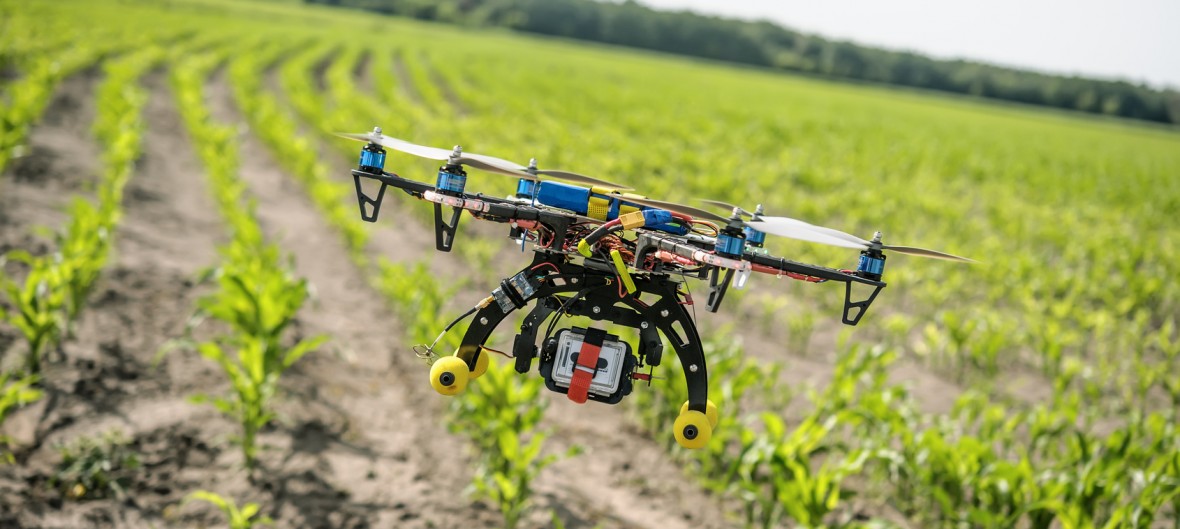
Small unmanned aircraft known as drones have become quite popular in today’s tech landscape. So what exactly is a drone? The proper term is “Unmanned Aerial Vehicle,” but most people simply know them as drones. Drones are useful across a huge range of fields. Before we get into what they’re used for, here’s a quick look at how they’re built and the different types available.
A drone’s build typically includes a frame, a battery system, circuitry, a computing system, sensors, a flight control system, and software. Drones broadly fall into about six categories: general-purpose drones, cargo drones, mapping and surveying drones, test drones, combat drones, and specialized military drones.
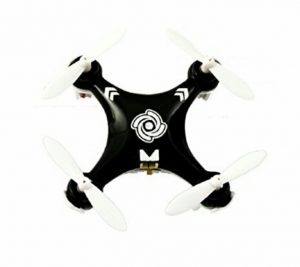
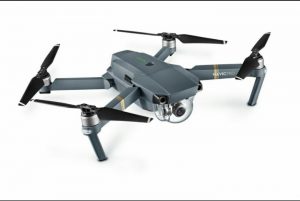
Image Source: pinterest.com
Image Source: bazarcom.cz
Drones have firmly carved out a place for themselves as one of the trendiest technologies in Myanmar today. Everything from entry-level to high-end drones is now available locally, and they’re already being put to use in agriculture, one of Myanmar’s key industries.
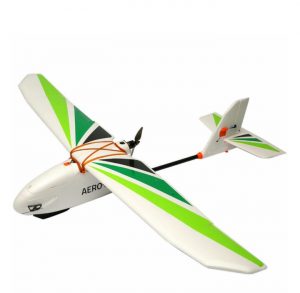
Image Source: uavsystemsinternational.com
Adoption in agriculture is still limited given the cost, but the impact drones can have in this sector is remarkable. Where manual land measurement is slow and prone to error, drones can survey farmland quickly and precisely. They can also record and flag crop pest damage, poor soil quality, irrigation issues, and weed problems, giving farmers a real hand. On top of that, drones are now being used to spray fertilizer on crops too — that’s a snapshot of what drones can do for agriculture.
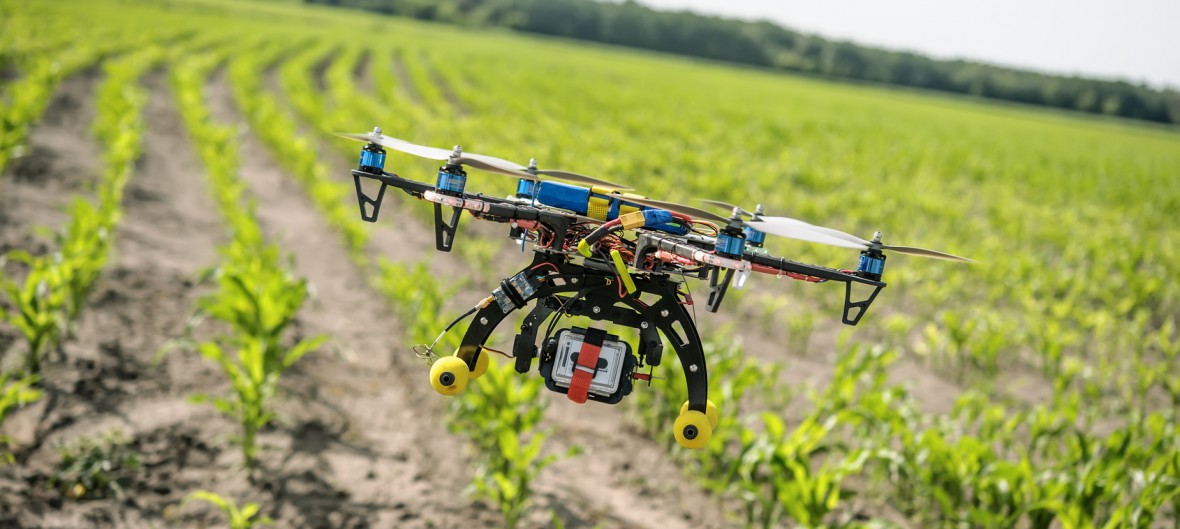
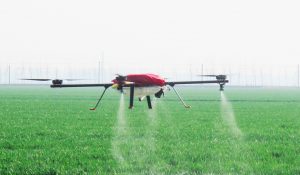
Image Source: avalow.com
Image Source: openpr.com
It’s not just agriculture, either. Drones are hugely important in construction too. On a construction site, they can record work still in progress and monitor overall building conditions. Because they can also track how workers are doing on-site, they make real financial sense for project managers — drones cut down on the delays that come from workers having to relay information back manually. When building radio communication towers, drones can also gather information from locations that are hard for people to reach. That’s how drones prove their worth in construction.
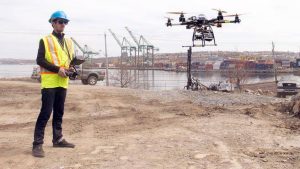
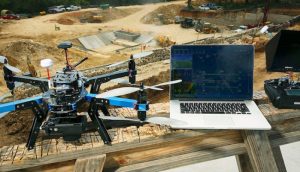
Image Source: buildcomconstructionwa.com.au
Image Source: certifiedtraininginstitute.com
In national defense and military operations, drones can also be far more precise than human reconnaissance. Scouting an enemy’s tactics in person risks losing soldiers’ lives, which can bring devastating grief — but a drone bears that risk instead, with no loss of life. Combat can be carried out with drones without needing soldiers to put themselves in harm’s way, and drones also play an important role in clearing contested territory.
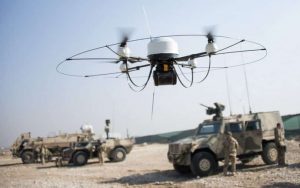
Image Source: tronsystems.com.au
All of this shows how today’s drones — a topic people in Myanmar are talking about too — are proving useful in agriculture, construction, and defense. Beyond these core fields, drones can also serve simply as a source of recreation. Drone enthusiasts are gradually growing in number in Myanmar. For anyone looking to buy one, two places worth checking out are Drone Lab Myanmar and BB Drone Myanmar.
So, what kind of drones might we see five years from now? Speculation points toward manned drones eventually becoming a reality, and remote-controlled drones evolving into intelligent drones that no longer need a remote control at all. Technology will keep advancing without pause, and as drones become ever more useful, the cutting-edge drones of five years from now are set to define a whole new era for Myanmar.
Khin Nyein Chan