Image Source: https://pixabay.com/en
Japan, one of the longest-living nations in the world, is facing a rapidly aging population and a shrinking workforce. Back in 1995, when Japan’s population stood at 124 million, the workforce numbered 87 million. Today, with the population nearing 127 million, the workforce has fallen to just 76 million. Surveys suggest that by 2065, Japan’s workforce could shrink to as few as 45 million.
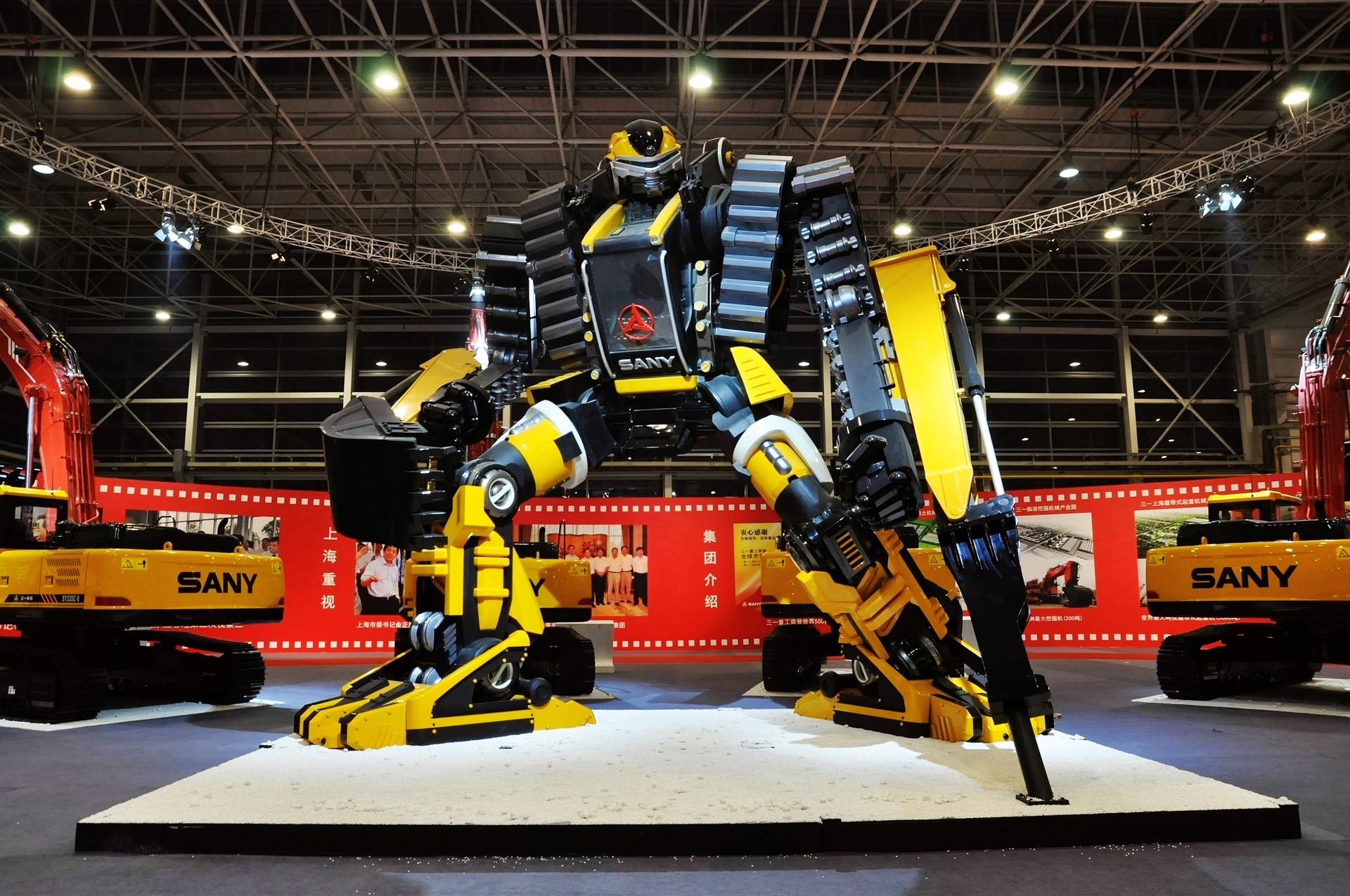
Japan now leans on robots for all sorts of tasks — everything from heavy industry to hotel guest services. Companies are pouring money into this robotic workforce too, with robot-related investment reaching as much as 17.5% of company value in some cases. Some hotels reportedly use over a hundred robots to do work that could otherwise be handled by just three human staff. Here’s a closer look at Japan’s labor shortage and its growing reliance on robots.
Japan, home to some of the longest-living people in the world, has seen its workforce shrink steadily since 1995, when it stood at 87 million. Surveys suggest that from today’s 76 million, the workforce could fall to just 45 million by 2065. According to a survey by the Bank of Japan, companies’ investment in robotics has hit a record high of 17.5% of company value. That includes everything from large-scale manufacturing robots to those used in hotel room service.
As businesses adopt more robots, Japan’s robotics companies have also seen rising revenue. Over 90% of Japanese businesses are small and medium enterprises. According to Ministry of Labor figures as of March 31, 2016, mid-sized companies with 100 to 499 employees posted job openings for as many as 1.1 million new positions — the highest in five years, and nearly five times the figure for companies with 500 employees.
In Japan, robots aren’t just used in manufacturing and construction — they’re also common in food and beverage businesses and hotel services. At the Henn na Hotel near Tokyo Disneyland, for example, 140 robot and AI staff handle service for the hotel’s 100 rooms. According to hotel manager Yukio Nagai, this is work that could normally be handled by just two or three human employees. Either way, as its workforce shrinks and its elderly population grows, Japan looks set to keep expanding its use of robots to fill the gap left by human labor.