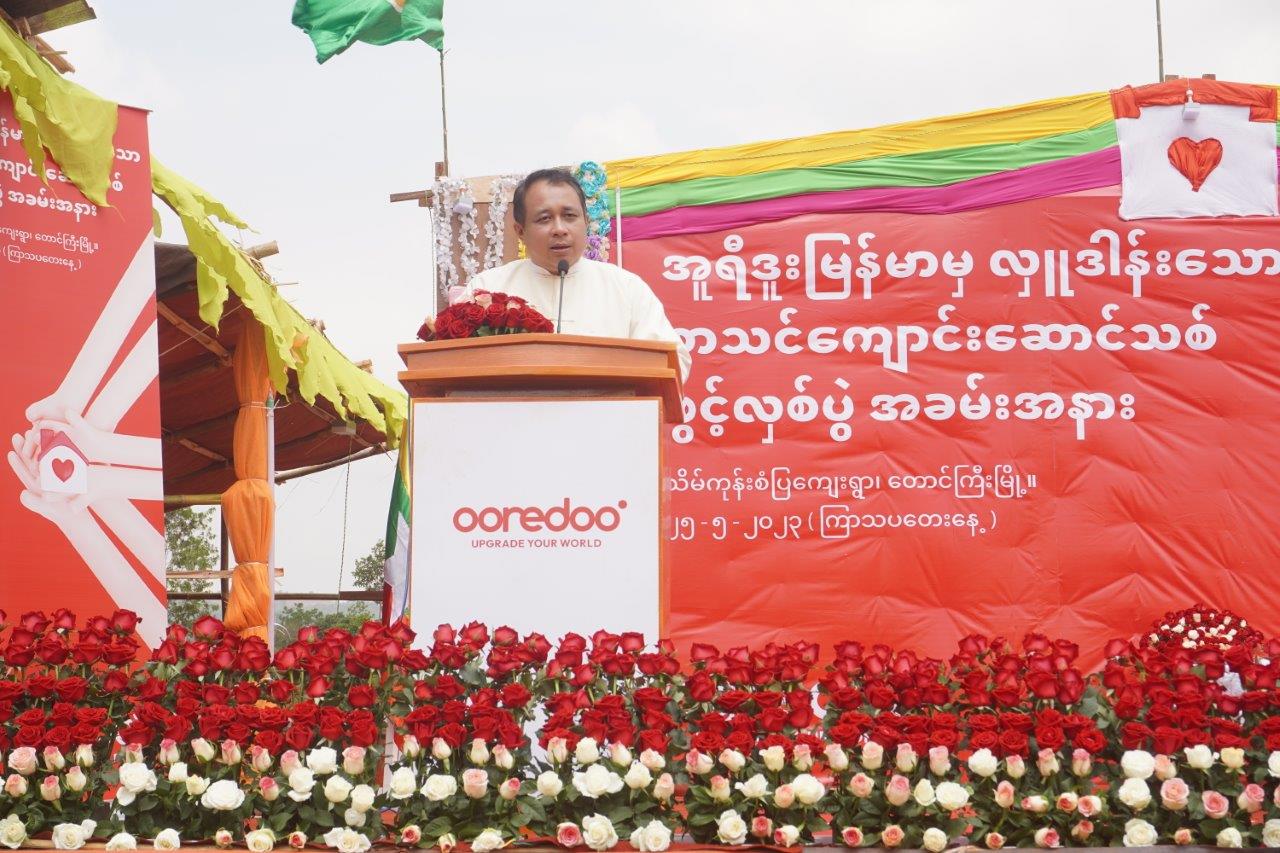
As part of its ongoing commitment to support education and social development for the people of Myanmar, Ooredoo Myanmar has donated 50 million kyats to build a new school building at Thein Kone Middle School. This donation continues under Ooredoo Myanmar’s “Talk More, Donate More” program, through which 1 kyat from Ooredoo’s revenue is donated for every minute Ooredoo subscribers spend on calls to any network.
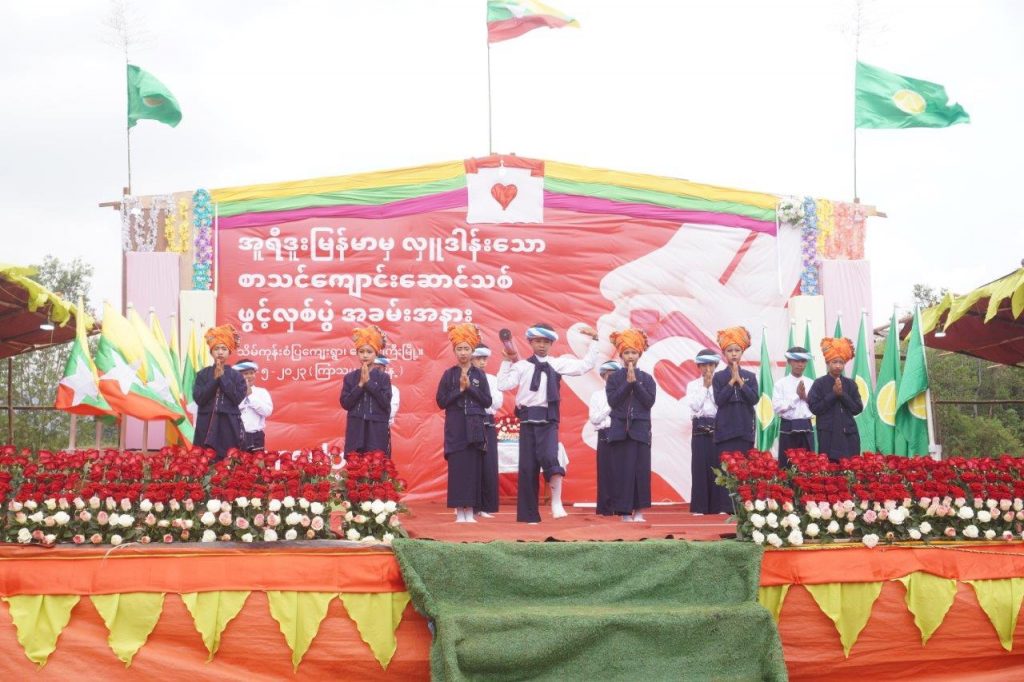
Image: ooredoo
The school is located in Thein Kone village, Shan State, and currently has a total of 266 students from kindergarten through grade nine. However, a shortage of classrooms has forced students of different grades to share classrooms, creating difficulties for both teaching and learning. Like many other village schools, Thein Kone Middle School relies on donations and support from local residents to stay running. Having seen the challenges caused by insufficient school infrastructure, Ooredoo Myanmar donated a new school building to improve learning conditions for children in Thein Kone village and the surrounding area.
“With the support of local residents, Thein Kone village primary school first opened in 1967. Since our village is far from town, we faced difficulties with transportation for sending children to school. That’s why villagers came together and donated to build a school in the village, so our children could get an education right here in their hometown. Along with the villagers, I also worked to help continue improving the school. In 2019, it was upgraded to a basic education middle school, creating better opportunities for the educational development of children in our village. At the same time, as more students enrolled, the need for more school buildings and classrooms grew. That’s why we’re so grateful to Ooredoo Myanmar for donating 50 million kyats to build a new school building and meet this need. Now our children have enough classrooms to study comfortably. We pray that Ooredoo Myanmar, who has helped us in this way, continues to succeed and continues supporting the community even more,” said U Maung Htoo Gyi, a respected local community elder.
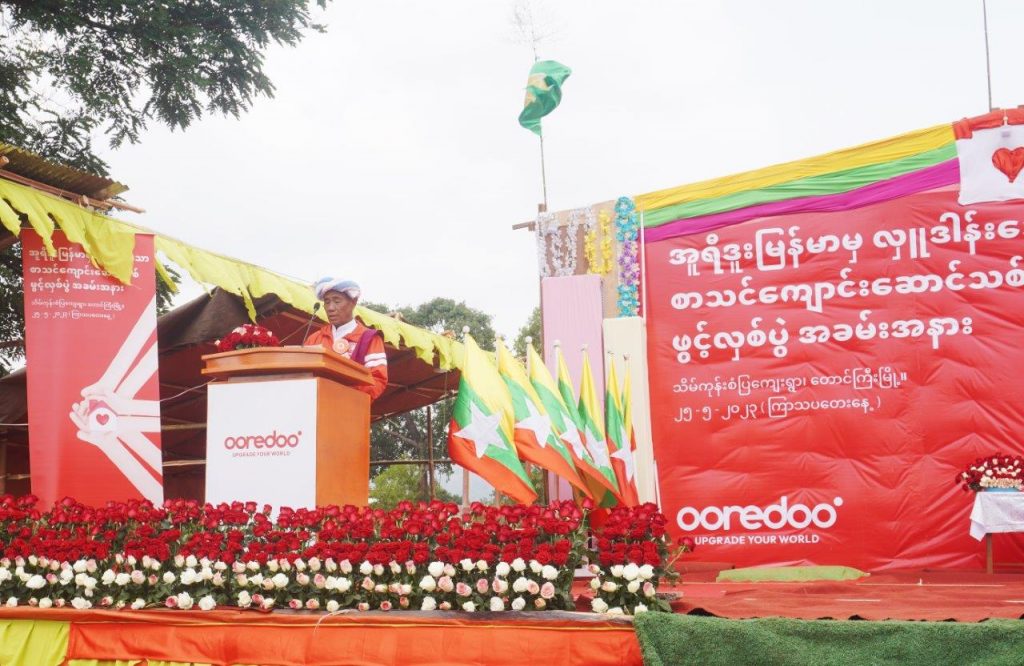
Image: ooredoo
U Maung Htoo Gyi is a respected community elder who has actively supported the development of Thein Kone model village. After the village school first opened in 1967 so children could study in their own village without having to travel far, and as the need for a school building grew, U Maung Htoo Gyi contributed 7.2 million kyats of his own money. Along with support from other donors, he was the founding donor who built and donated the school’s original 120 x 30 ft, single-story building, worth a total of 8.2 million kyats.
Ooredoo Myanmar’s “Talk More, Donate More” program began in September 2017, aiming primarily to support the education and social development of communities in need across Myanmar. Through this program, Ooredoo Myanmar has supported a total of 51 education and social development projects, including 40 school buildings, benefiting over 30,000 students each year.
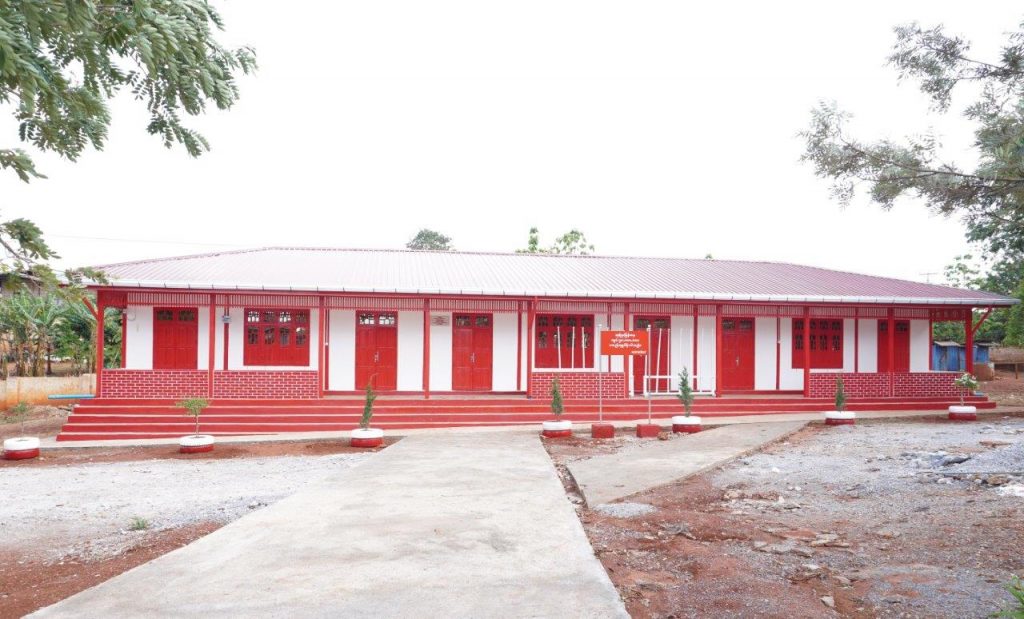
Image: ooredoo
U Tin Naing Htut, Ooredoo Myanmar’s Head of Corporate Communications, said, “Education is a key focus area within Ooredoo Myanmar’s corporate social responsibility programs. We are committed to consistently supporting and benefiting the community through our various CSR initiatives. We are pleased that this newly completed school building will allow children from Thein Kone village and nearby villages to study comfortably and conveniently. Ooredoo Myanmar will continue to support the people of Myanmar in education, health, and other areas of need to the best of our ability.”
Ooredoo Myanmar continues to support various communities across Myanmar through its corporate social responsibility programs. Recently, to celebrate Myanmar New Year, Ooredoo Myanmar donated basic food supplies to a total of 68 monastic education schools, orphanages, and monasteries nationwide, providing food and other essential support to over 42,000 people.